Start Trading Now
Sign up for ZitaPlus, where knowledge and personalized support come together for your success.
Open Real Account Open Demo Account
Latin America’s oil story has never been neat or predictable. Over the years, the region has had its ups and downs, sometimes both at the same time. Oil has helped the region to build roads, fund governments, and give countries global relevance. It has also created deep dependencies that are hard to break.
Even today, we can still see the energy transition dominating the headlines. Latin America still matters to the oil market. Not always loudly, but consistently. When supply tightens elsewhere, or politics disrupt other producers, attention comes back to this part of the world.
The reason is simple. The region still holds many oil reserves, and much of it fits specific needs that cannot be replaced overnight. You have to look beyond production numbers and into how the region actually works to understand why Latin American oil keeps coming back into focus.
Oil production across Latin America looks very different from one country to the next. Geography plays a bigger role here than many people expect.
Some producers drill far offshore, working in deep and ultra-deep waters where technology matters more than manpower. Others rely on land-based fields spread across jungles, plains, or remote regions that are difficult to access and expensive to maintain.
Oil quality also varies. Parts of the region produce light and medium crude that refiners like. Other areas produce very heavy oil that needs blending and complex refining. This alone changes who can buy the oil and at what price.
Transport adds another layer. Offshore production usually goes straight to export terminals. Onshore oil relies on pipelines that span long distances and traverse sensitive areas. When those pipelines go down, exports stop quickly.
All of this shapes how reliable each producer is, especially during periods of stress.
A small group of countries dominates oil output in Latin America. They share the same region, but very little else. History, politics, and geology have put each of them down a different path.
Any serious discussion of Latin American oil eventually circles back to Venezuela. Venezuela is one of the world’s top oil producers. Its reserves are unmatched, concentrated largely in the Orinoco Belt. The problem is that most of this oil is extra heavy crude, which is difficult to produce and expensive to handle.
For years, Venezuela managed this complexity. Over time, things unraveled. Investment slowed, equipment aged, and skilled workers left the country. Sanctions made it harder to sell oil and buy parts. Refineries that once ran around the clock began operating at a fraction of capacity.
At the center of it all is PDVSA. Once respected globally, it now struggles to keep fields running and facilities maintained.
Yet Venezuela never really disappears from the conversation. Those reserves still exist. Markets understand that a political shift could eventually bring large volumes back. That possibility alone keeps Venezuela relevant, even when current production is low.
If Venezuela’s story is loud and chaotic, Brazil has moved in the opposite direction. Brazil’s oil growth has happened mostly offshore, in deep and ultra-deep water. The pre-salt fields changed the country’s position in global energy quietly but steadily. These projects are complex, but once running, they deliver large and stable output.
Technology made a big difference here. Over time, drilling became more efficient, and costs came down. Production rose even during periods when global investment slowed.
The key company is Petrobras. It has faced political pressure and serious scandals, but it has also developed strong technical capability. In deepwater drilling, Petrobras is usually mentioned alongside the world’s best.
Brazil’s oil is generally easier to refine than heavy crude from elsewhere in the region. That makes it attractive to a wide range of buyers and helps explain why Brazil has become one of the more dependable suppliers.
Mexico used to sit at the heart of Latin American oil exports. Much of that strength came from one giant field, Cantarell. When Cantarell declined, Mexico’s oil story changed with it.
Production has fallen gradually over the years. New projects failed to fully replace aging fields. The national oil company Pemex became heavily indebted and stretched thin.
Mexico tried opening its energy sector to foreign investment, hoping to bring in capital and expertise. That effort slowed as political priorities shifted again.
Today, Mexico still produces meaningful volumes, but it is no longer a growth driver. Its challenge now is maintaining output rather than expanding it.
In Colombia, oil matters more than production numbers might suggest. Oil exports bring in much of the country’s foreign currency and support public finances. When oil prices rise, the economy feels it quickly. When prices fall, pressure builds just as fast.
The national oil company Ecopetrol operates with more commercial discipline than many peers, but it still faces challenges. Pipeline disruptions, security risks, and political debate are part of the landscape.
Colombia’s oil sector shows how even medium-sized producers can be highly exposed to global price swings.
Argentina enters the oil market mainly through shale. Vaca Muerta is described as a game changer, and the geology supports that view. The problem has never been the resource itself. It has been the conditions around it.
Inflation, currency controls, and shifting regulations have made long-term planning difficult. Production has grown, but unevenly.
Argentina’s oil future depends less on geology and more on economic stability. If conditions improve, output could rise meaningfully. Until then, progress remains gradual.
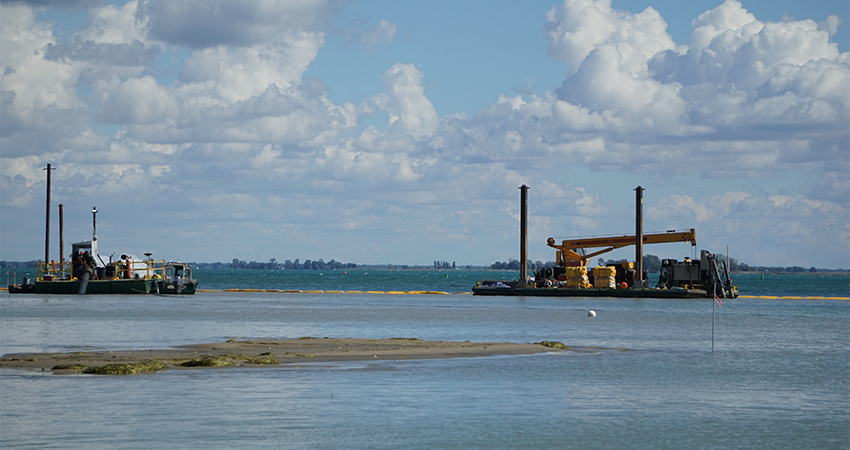
State ownership shapes much of Latin America’s oil sector. National oil companies are expected to do many things at once. Produce oil, fund government budgets, support jobs, and sometimes control domestic fuel prices. These goals often conflict.
Common issues show up across the region:
State control can offer stability, but it can also reduce flexibility during worse conditions.
Despite the challenges, foreign oil companies have not left Latin America. Companies like Chevron, ExxonMobil, Shell, and TotalEnergies remain active, especially in offshore projects.
They usually work through partnerships with state firms. These arrangements allow projects to move forward while spreading risk. Without foreign capital and technology, many complex projects would not happen at all.
The United States sits in an unusual position. It is both a major oil producer and one of the most important buyers of Latin American crude.
US Gulf Coast refineries are designed to handle heavy oil. That makes crude from Venezuela and Mexico especially useful. Even with strong US shale production, imports from the region remain important.
Sanctions add another layer of uncertainty. Policy decisions in Washington can quickly reshape trade flows, sometimes overnight. Oil, politics, and trade are closely linked here.
Latin American oil moves in several directions.
The main buyers include:
China plays a special role by financing production through oil-backed loans. This has tied some producers closely to Chinese demand.
Most of this oil becomes transportation fuel. Gasoline, diesel, and jet fuel dominate. Some also goes into petrochemicals and industrial use.
Latin American crude usually trades at a discount to benchmarks like Brent. Oil quality matters. Heavy crude sells for less because it costs more to refine. Political risk and transport problems can widen discounts further. These pricing gaps affect government revenue directly. When prices fall, or there are wider discounts, pressure builds fast.
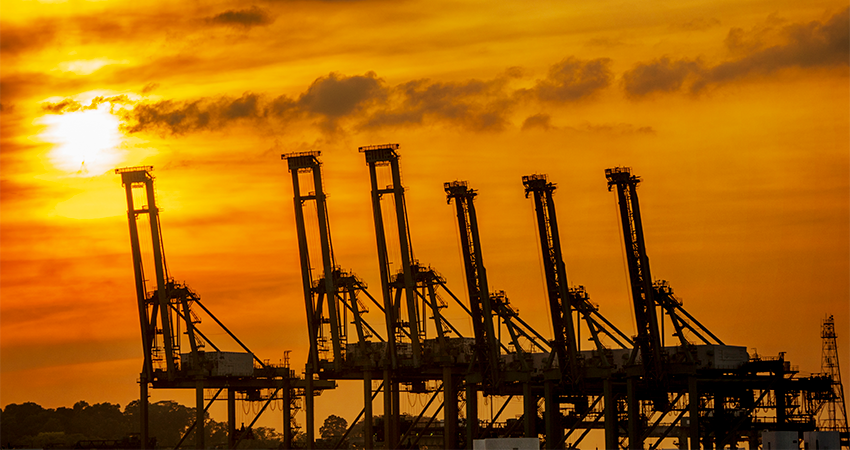
Politics remains the biggest unknown in the region’s oil future. Elections can change policy quickly. Environmental pressure adds complexity. At the same time, oil income remains essential for many governments.
Most countries are choosing a slow transition rather than a sharp exit from oil. They need the revenue, even as the global energy system evolves. Latin America’s oil future will vary country by country, but the region will remain part of global supply for many years.
In early January 2026, politics in the region took a sharp and unexpected turn when U.S. forces captured Venezuelan leader Nicolás Maduro and transferred him to the United States to face federal charges. The operation was unusual in scale and symbolism, and markets reacted almost immediately.
Oil prices moved higher at first as traders tried to assess what the event might mean for future Venezuelan supply. Venezuela holds vast reserves, and the idea of political change raised hopes that production could eventually recover. At the same time, many investors remained cautious. Years of damage to infrastructure mean that any meaningful increase in output would take time, even under new leadership.
Gold also rose following the news. When geopolitical uncertainty increases, investors shift toward assets seen as safer stores of value. The move into gold reflected concern rather than optimism, showing how closely energy politics and financial markets remain connected.
The episode served as a reminder that in Latin America, oil is rarely just about production. Political decisions can move markets quickly, sometimes faster than changes in supply itself.
Oil in Latin America is never just about production numbers. It is about history, politics, and trade-offs that unfold over decades. The region combines vast resources with structural challenges that are not easily fixed.
For traders, investors, and anyone watching energy markets, Latin America continues to matter, sometimes quietly, sometimes suddenly, but always in ways that ripple far beyond its borders. So, keep an eye on the latest developments if you want to trade oil on news.
Why is Latin America important to the global oil market?
Latin America holds large oil reserves and produces crude that fits specific refinery needs, especially in North America. Even when production faces political or economic challenges, the region remains relevant because its oil cannot be easily replaced in the short term.
Which country has the largest oil reserves in Latin America?
Venezuela holds the largest proven oil reserves in Latin America and globally. Most of these reserves are extra heavy crude, which makes production more complex and costly compared to lighter oil.
Why do state-owned oil companies dominate the region?
Many Latin American countries view oil as a strategic national resource. State ownership allows governments to control revenues, employment, and energy policy, but it comes with political interference and reduced flexibility.
How does the United States influence Latin American oil markets?
The United States affects the region through trade, sanctions, and refinery demand. US refineries rely on certain types of Latin American crude, and policy decisions in Washington can quickly change export flows and investment conditions.
How does political instability affect oil prices and markets?
Political events can move markets quickly by changing expectations, even before supply actually changes. News related to sanctions, leadership changes, or conflict can affect oil prices and safe-haven assets like gold.
Would like to learn how to look financial markets from a different angle? Then keep reading and invest yourself with ZitaPlus.