Start Trading Now
Sign up for ZitaPlus, where knowledge and personalized support come together for your success.
Open Real Account Open Demo Account
Oil is one of the most traded commodities in the global economy. It fuels transportation, supports manufacturing, and shapes global energy costs. Because of this central role, any change in oil supply can affect prices in international markets within minutes. This is where organizations such as OPEC and OPEC+ gain their significance. They are groups of oil-exporting countries that coordinate production levels to influence the global balance between supply and demand.
Understanding how these groups operate is quite helpful for traders, investors, and policymakers because the actions of these groups impact potential movements in oil prices. When these organizations announce production cuts or increases, the effects can extend beyond the energy market. Equity markets, commodity-linked currencies, and inflation expectations may all shift in response to their decisions.
In this article, we’ll explain what OPEC and OPEC+ are, how they work, the differences between them, and why their decisions should be monitored closely by anyone involved in trading or studying the global economy. Let’s start with OPEC.

The Organization of the Petroleum Exporting Countries (OPEC) is an intergovernmental organization responsible for coordinating and unifying petroleum policies among its member countries. OPEC was founded in September 1960 by five nations: Iran, Iraq, Kuwait, Saudi Arabia, and Venezuela. At the time, oil pricing and production decisions were largely controlled by multinational oil companies headquartered in Western countries. The founding members sought greater control over their own natural resources and aimed to secure stable revenues from oil exports.
Since its establishment, OPEC has expanded to include several other oil-producing nations. Its membership composition has changed over time as countries joined or withdrew due to political or economic considerations. As of today, OPEC has 13 member countries, mainly located in the Middle East, Africa, and South America.
OPEC’s headquarters is located in Vienna, Austria, where its administrative and decision-making activities are coordinated. The organization holds regular meetings to discuss production policies and monitor market conditions. Also, they can hold extraordinary meetings when market conditions become highly volatile.
OPEC’s primary objective is to stabilize the global oil market. Stability is important for both producers and consumers. Producers need predictable revenue streams to support their national budgets, while consumers benefit from avoiding sudden price spikes.
OPEC’s core goals include:
By coordinating production levels among members, OPEC attempts to influence the supply side of the oil market. When global supply exceeds demand, prices tend to decline. In such cases, OPEC may announce production cuts to tighten supply and support higher price levels. However, when demand increases, OPEC may raise production to prevent prices from climbing too quickly.
OPEC operates through several decision-making bodies:
This structure ensures that decisions are not taken unilaterally. Instead, coordination requires negotiation and consensus, reflecting both shared interests and diverse national priorities.
OPEC remains one of the most influential actors in global energy markets, as decisions taken within the organization can ripple through financial markets, trade balances, and economic planning worldwide.
OPEC is able to coordinate production decisions among its member countries. Although each member state manages its own oil production independently, they work together to determine collective output levels that support their shared objectives. The primary goal is to prevent extreme price volatility and maintain a balanced relationship between global supply and demand.
OPEC’s most significant policy decisions are made during ministerial meetings, commonly known as OPEC Conferences. These conferences are held at least twice a year, though additional meetings may be organized during periods of higher market uncertainty. In these sessions, representatives from each member country discuss market data, supply forecasts, and global economic trends. Decisions are generally reached by consensus to ensure that all members support the final outcome.
The OPEC Secretariat plays a crucial role in this process. It collects data, monitors market activity, and provides analytical reports that help members evaluate the state of the oil market. These insights guide production strategies and help determine whether supply should be increased, reduced, or maintained.
One of OPEC’s most important tools is the production quota. A quota sets the amount of oil that each member country is allowed to produce within a given period. By adjusting quotas collectively, OPEC influences the amount of oil entering the global market.
These coordinated changes can have immediate effects in the oil futures market, where traders react to any indication of a shift in supply expectations.
While OPEC’s decisions are often viewed through the lens of price control, the organization emphasizes stability over short-term fluctuations. Stable oil markets benefit both producers and consumers by reducing uncertainty. For member countries, predictable revenue from oil exports supports national budgets and long-term economic planning. For consumers and industries worldwide, stability prevents sudden price shocks that could disrupt economic growth.
Through structured coordination, negotiation, and market monitoring, OPEC maintains an influential presence in the global energy landscape.
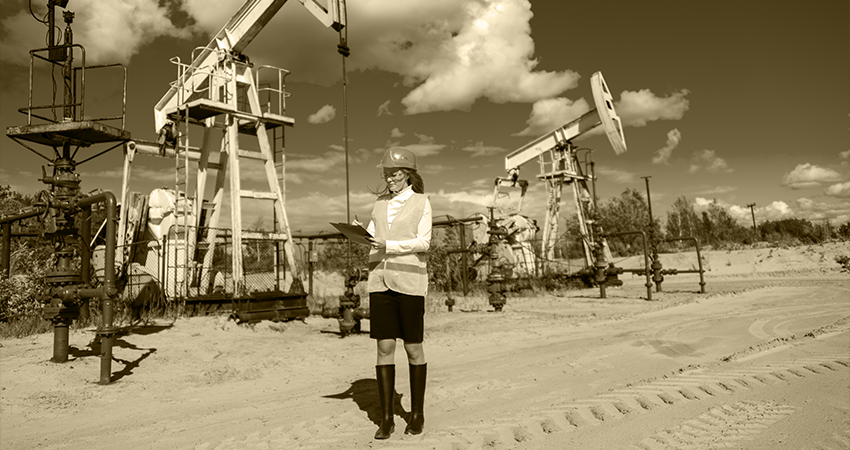
The role and influence of OPEC have evolved significantly since its establishment. The organization was created during a period when global oil markets were largely controlled by Western energy companies, which were called the “Seven Sisters”. These companies set production levels and pricing strategies without significant participation from oil-producing countries. OPEC emerged as a response to give producing nations a stronger voice in managing their own resources.
During the 1960s, OPEC worked to establish itself as a recognized body that could negotiate with international oil corporations. Member countries began to have greater control over oil revenues and production rights. This helped shift the balance of power from multinational companies to sovereign governments. It marks an important turning point in the global energy market.
One of the most important moments in OPEC’s history came in 1973. Several OPEC members imposed an oil embargo during a major geopolitical conflict in the Middle East. As a result, oil supplies to certain Western nations were restricted. The embargo caused a rapid increase in oil prices and highlighted the strategic importance of OPEC’s decisions. For the first time, oil became not just an economic resource but also a key political tool.
This event demonstrated OPEC’s ability to influence global markets and shaped international energy policy for decades. It resulted in many countries reconsidering their levels of oil dependence and encouraged investment in alternative energy sources.
In the 1980s and 1990s, OPEC faced new challenges. Non-OPEC oil producers, including those in the North Sea and later the United States, increased their production capacity. Greater competition made it more difficult for OPEC to regulate global prices through coordinated production adjustments.
During this period, OPEC continued to adjust output quotas to maintain stability, but price volatility became more frequent. Internal disagreements among member countries made decision-making more complicated, especially when nations had differing financial needs or strategic priorities.
The early 21st century introduced another major shift. Advances in drilling technology, especially hydraulic fracturing (fracking), expanded oil production in the United States. The U.S. became one of the world’s largest oil producers. The U.S. reduced its reliance on imports and added significant competition to the global supply.
This development pressured OPEC to rethink its strategy. Limiting production to raise prices became harder because non-OPEC producers could increase output independently. As a result, controlling market prices required broader cooperation.
In response to the changing landscape, OPEC began coordinating more closely with non-OPEC producers. This collaboration ultimately led to the formation of OPEC+ in 2016. With additional producers such as Russia and Kazakhstan, the alliance gained greater ability to influence supply and stabilize global markets.
Over time, OPEC evolved from a group of oil-exporting countries seeking price control into a central force shaping global energy dynamics. Its decisions continue to affect economies, trade balances, and the broader financial markets.
OPEC+ is a broader coalition that includes all OPEC members along with several non-OPEC oil-producing countries. The group was formally established in 2016 as a response to increased competition in the global oil market, especially from U.S. shale producers. By expanding cooperation beyond OPEC’s original members, the alliance aimed to strengthen its ability to influence oil supply and stabilize prices.
Before OPEC+ existed, OPEC often struggled to maintain price stability because many non-OPEC producers continued to adjust their production independently. When OPEC attempted to reduce supply to support higher prices, additional supply from these external producers could offset the effort.
To solve this challenge, OPEC began negotiating production agreements with major oil producing countries outside the organization. These discussions eventually led to the creation of the OPEC+ framework. The goal was to coordinate output policies on a larger scale and achieve better control over global supply.
OPEC+ includes some of the world’s most significant oil producers that are not official OPEC members. The largest among them is Russia, which plays a key role in shaping policy direction within the alliance. Other notable non-OPEC members in OPEC+ include:
The inclusion of these countries raised the alliance’s production capacity. As a result, OPEC+ has become a large portion of the global oil supply.
Unlike OPEC, which is a formal intergovernmental organization with established governance and administrative structures, OPEC+ functions through coordinated agreements. The group holds joint meetings where members discuss market conditions and decide whether to increase, decrease, or maintain production levels.
The decisions made by OPEC+ are based on a shared strategy, but the level of enforcement varies. While OPEC members participate under formal rules, production targets play a big role in non-OPEC countries. This makes negotiation and communication essential for maintaining unity.
OPEC+ focuses on the same principal goals as OPEC:
However, OPEC+ has the advantage of a broader market reach. By combining the output of both OPEC and non-OPEC producers, the alliance can impact global prices more effectively than OPEC alone.
OPEC+ has become especially important in recent years during periods of major market disruption. For example, during the sharp decline in global oil demand in 2020, OPEC+ coordinated large production cuts to help stabilize prices and prevent further market losses. The cooperation showed the alliance’s ability to act collectively during crises and highlighted its continued relevance in today’s energy market.
Although OPEC and OPEC+ share similar objectives related to stabilizing oil markets, the two groups are not the same. OPEC is a formal organization with a defined membership and a structured decision-making system. OPEC+ is a broader alliance that includes both OPEC members and non-OPEC oil-producing countries working together under cooperation agreements.
It is important to understand the distinction between them because traders and analysts interpret their announcements differently.
OPEC consists only of its official member countries. These states are primarily located in the Middle East, Africa, and South America. OPEC+ includes all OPEC members along with several additional countries that produce oil but are not part of OPEC. This expanded group holds a larger share of global oil production, which gives it a broader market influence.
OPEC functions as a permanent intergovernmental organization with its headquarters in Vienna, Austria. It has a clear administrative hierarchy and formal internal procedures.
OPEC+, in contrast, does not operate as a permanent organization. It is a collaborative framework based on agreements. Instead of maintaining its own headquarters or permanent governing bodies, OPEC+ works through meetings and negotiated commitments.
OPEC’s production decisions are more structured because members are formally bound to the organization. Quotas are agreed upon and monitored through official channels. Although compliance may vary, the obligations are clearer.
In OPEC+, non-OPEC members participate voluntarily. Their cooperation depends on diplomatic negotiation and shared economic interests. This means that while OPEC can enforce decisions more directly, OPEC+ relies on mutual alignment and long-term cooperation to implement production adjustments.
| OPEC | OPEC+ | |
| Founding Year | 1960 | 2016 |
| Type of Organization | Permanent intergovernmental organization | Cooperative alliance of OPEC and non-OPEC producers |
| Headquarters | Vienna, Austria | No official headquarters |
| Membership | 13 member countries | OPEC members + around 10 non-OPEC oil-producing countries |
| Main Goal | Coordinate and stabilize oil production among members | Extend production coordination beyond OPEC to strengthen market influence |
| Decision Enforcement | More formal and binding for members | Based on cooperation and voluntary compliance |
| Key Market Influence | Significant but limited when non-members increase supply | Broader influence due to inclusion of major non-OPEC producers like Russia |
OPEC and OPEC+ play a major role in shaping global oil prices by managing how much oil is supplied to the market. Since oil is a globally traded commodity, even small changes in supply or demand can lead to noticeable price movements. This makes the decisions of these groups highly significant for financial markets.
The main mechanism through which OPEC and OPEC+ impact prices is production control. When the groups agree to either increase or decrease output, the total supply of oil available in the market changes. This adjustment sets the balance between supply and demand, which affects price trends.
These adjustments are typically announced after official meetings.
The impact of OPEC and OPEC+ decisions can be both immediate and long-term:
For example, a series of production cuts sustained over many months may encourage investment in alternative energy or increase drilling activity in other oil-producing regions.
Even the expectation of a production change can change prices. If traders anticipate that OPEC+ will reduce supply at an upcoming meeting, prices may begin rising in advance. Yet, rumors of increased output can lead to early selling pressure.
Statements from key ministers, especially those from Saudi Arabia or Russia, are closely monitored by analysts. Sometimes, a few sentences can shift market sentiment before any official decision is made.
In early 2020, global oil demand fell sharply due to widespread lockdowns and reduced travel. Prices dropped at an unprecedented pace, even turning negative in certain futures contracts. In response, OPEC+ agreed to some of the largest production cuts in history to stabilize the market. This coordinated action helped oil prices recover over time and highlighted the group’s ability to respond to severe market disruptions.
The role of OPEC and OPEC+ in influencing oil prices extends beyond simple supply adjustments. Their policies affect market psychology, investment decisions, and expectations of future price trends. This makes their announcements a critical reference point for energy traders and investors worldwide.
Decisions made by OPEC and OPEC+ can change the price of oil within minutes. Price shifts can also affect related assets such as energy stocks, commodity-linked currencies, and inflation expectations.
Traders in oil futures markets closely monitor OPEC and OPEC+ announcements. A planned production cut usually leads to higher prices, while an increase in production can pressure prices lower. Even statements or expectations ahead of official meetings may move the market.
Changes in oil prices affect more than just the commodity itself. For example:
Scheduled OPEC and OPEC+ meetings often bring increased volatility. Traders who follow these events can be better prepared for short-term price swings and market reactions.
In summary, staying informed about OPEC and OPEC+ decisions helps traders anticipate movements not only in oil prices but also in broader financial markets. This way, they can trade oil on the news.
While OPEC and OPEC+ play an important role in balancing oil markets, they face several challenges that can affect their effectiveness and long-term influence.
Members do not always share the same economic needs. Some countries rely heavily on oil revenue for their budgets and prefer higher prices, while others prioritize market share and production levels. These differences can make coordinated decisions difficult.
Large oil producers outside OPEC+ can influence the market independently. The United States, in particular, has increased production through shale oil, reducing the impact of OPEC+ supply decisions.
As more countries invest in renewable energy and reduce reliance on fossil fuels, long-term oil demand may decrease. This creates uncertainty for OPEC and OPEC+ planning.
Political disagreements or conflicts among member countries can complicate cooperation. These tensions sometimes limit the ability to enforce production targets.
Despite these challenges, OPEC and OPEC+ remain central players in global energy markets, and their decisions continue to shape oil pricing trends worldwide.
OPEC and OPEC+ continue to play a vital role in shaping the global oil landscape. By coordinating production and monitoring market conditions, they help maintain stability in a market where prices can shift rapidly. Their influence extends beyond the energy sector; it affects financial markets, government budgets, trade balances, and broader economic conditions.
Although the organizations face challenges such as differing national priorities, competition from non-member producers, and the global transition toward cleaner energy, their collective decisions still carry weight. Whether adjusting production levels or signaling their market outlook, the actions of OPEC and OPEC+ can move oil prices and influence global sentiment.
For traders, analysts, and policy decision makers, it is important to keep up with what’s going on in these groups. Their meetings, statements, and long-term strategies offer useful insight into potential market trends and pricing direction. Understanding how OPEC and OPEC+ operate provides a clearer perspective on one of the most important and most traded commodities in the world economy.
Why is crude oil priced in US dollars globally?
Crude oil has been traded in US dollars since the mid-20th century due to the size and stability of the US economy and the dollar’s status as the world’s primary reserve currency. Pricing in a single currency simplifies international trade and financial settlements.
What factors besides OPEC decisions influence oil prices?
Oil prices are also influenced by geopolitical events, refinery capacity, global economic growth, currency movements, natural disasters, and shifts in consumer demand. Market speculation and inventory levels can also cause short-term price fluctuations.
How do oil futures contracts work?
Oil futures are agreements to buy or sell crude oil at a specified price and date in the future. Traders use them to hedge price risk or speculate on market direction. Prices of futures contracts often react first to market news and expectations.
What is the role of Saudi Arabia within OPEC?
Saudi Arabia is the largest oil producer in OPEC and often acts as a key coordinator for production agreements. Its output capacity allows it to influence both internal negotiations and global price stability.
How does oil price volatility affect global inflation?
Higher oil prices increase transportation and production costs, which can raise prices across many sectors. This can lead to higher inflation. When oil prices decline, inflation pressure may ease.
Do renewable energy developments reduce the importance of OPEC?
Renewable energy growth may reduce long-term oil demand, but oil remains essential for transportation, manufacturing, and petrochemical industries. OPEC still holds significant influence, especially in the medium-term global energy transition.
How frequently do OPEC and OPEC+ meet?
OPEC typically meets twice a year, while OPEC+ holds joint meetings as needed to respond to market conditions. Additional emergency meetings may occur during periods of price instability.
Would like to learn how to look financial markets from a different angle? Then keep reading and invest yourself with ZitaPlus.